

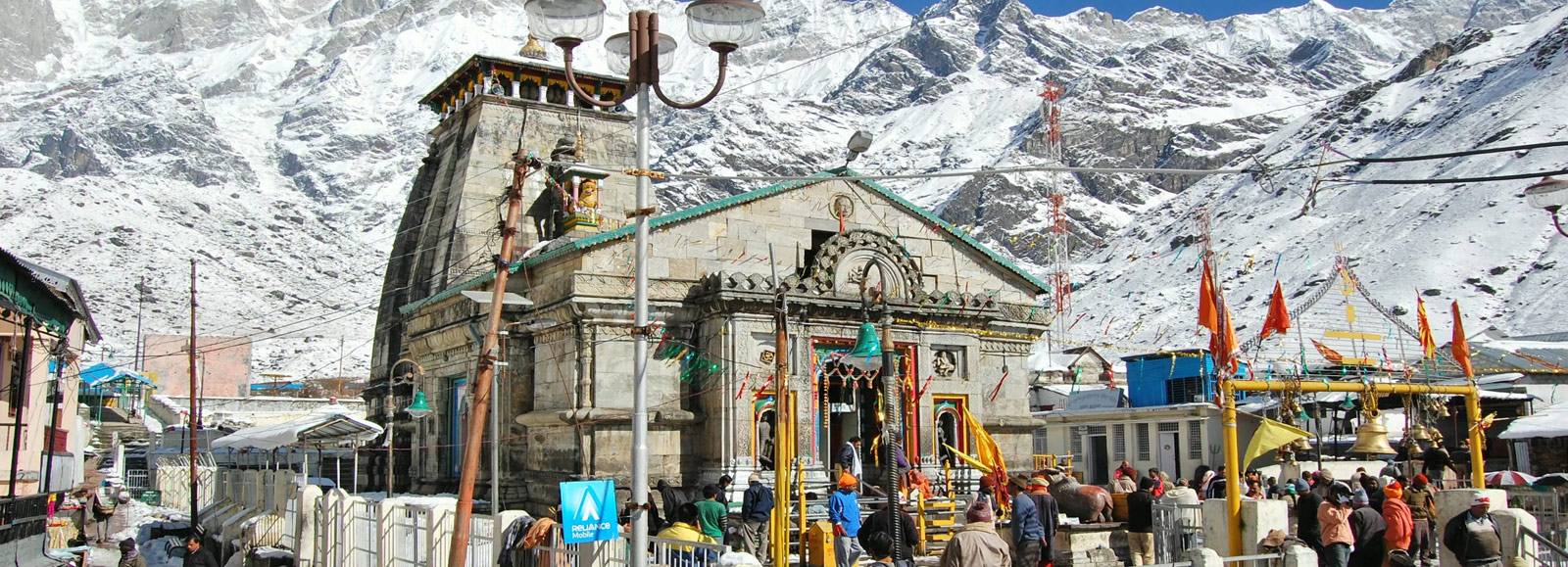
Best Time to Visit Kedarnath
Char Dham Yatra consists of four religious shrines- Kedarnath, Badrinath, Gangotri and Yamunotri. One of the most important pilgrim site in India, the temple is dedicated to Lord Shiva. Located in the Garhwal Himalayan range near the Mandakini river at an altitude of 11,750 feet, Kedarnath usually features a cold climate throughout the year. The best time to visit Kedarnath is during the summers and onset of winters — May to June and September to October. The summers are moderately cold with temperature ranging between 8 degree Celsius to 18 degree Celsius. The summer mornings are bright and sunny and nights are cold. The monsoon in Kedarnath brings in heavy rainfall, with a maximum of 272 mm of rainfall during August. The risk of landslide makes the temple shrine inaccessible during monsoon. The winters are cold and the temperature falls well below sub-zero. Kedarnath experiences heavy snowfall during winters.
The Kedarnath temple is a holy site for many Hindu religion followers with thousands of people visiting every year. With advancements in roads and accessibility, there has been a rise in the number of visitors coming here every year.
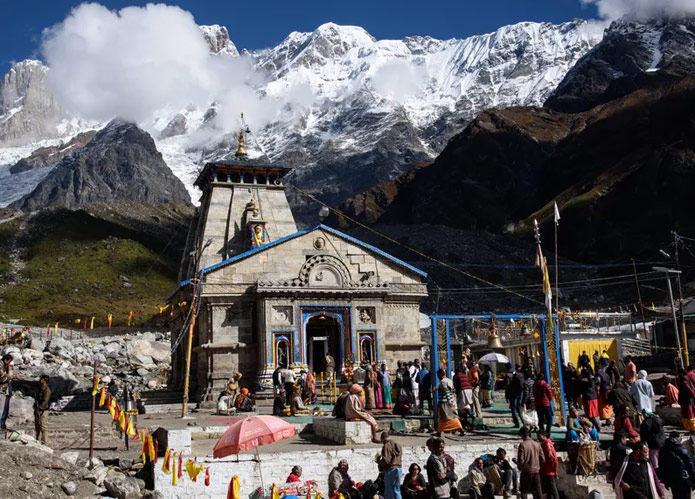
Temperature
Since Kedarnath is located at a high altitude, the temperature differs from that of low altitude regions. The winters in Kedarnath are harsh, summers are colder than the rest of India and during monsoon, the area experiences heavy rainfall with the temperature being on the colder side.
- Summer
- May to June
- 4°C – 18°C
- Monsoon
- July to Sep
- 7°C – 19°C
- Winter
- Oct to April
- 6°C – 13°C
-

Summer
The summer season in Kedarnath starts from May and lasts till June. The minimum temperature goes down to 4-degree Celsius and the maximum temperature ranges around 18-degree Celsius. The days feature bright sunshine and nights being cold. Summers are the best time to visit Kedarnath temple in Uttarakhand.
-

Monsoon
Kedarnath experiences heavy rainfall every year during the monsoon season. The monsoon season in Kedarnath starts from July and last till the end of September. The maximum rainfall is in the month of August, with August 2018 witnessing 272 mm of rainfall. The risks of the landslide are higher during monsoon season in Kedarnath because of which the temples are not open for pilgrims. The temperature during monsoon season ranges between 7 degree Celsius to 19 degree Celsius.
-

Winter
Winters in Kedarnath are chilly and extremely cold because of its high altitude in the Himalayan region. The winter season starts from October and lasts until April end. The minimum temperature can fall below the freezing point – zero degree Celsius. The temperature ranges from -6 degree Celsius to a maximum of 13 degree Celsius. Kedarnath also experiences heavy rainfall during the winter season. The temples remain closed from November until the end of April.

Six Prayag Yatra with Shri Badrinath Ji
Duration: 10 Nights – 11 Days
Rs. 27900/-Person
View More Book Now
Char Dham Yatra with Valley of Flowers
Duration: 13 Nights – 14 Days
Rs. 33900/-Person
View More Book NowOur Latest Blogs

09 Sep, 2026
Haridwar Kumbh 2027: Understanding the World’s Largest Spiritual Gathering
Once every six years, Jupiter drifts into Aquarius, the Sun crosses into Aries, and a stretch of the Ganga at Haridwar becomes, by Hindu reckoning, something more than a river. The Kumbh Mela is what happens when tens of millions of people decide to be there when it does. The next window opens on
More
16 Jun, 2026
Stay in Comfort and Luxury at Hotel Royal Badri in Badrinath
For most travelers, especially those undertaking the Char Dham Yatra, accommodation is not about resort-style indulgence but about finding a reliable and comfortable place to rest, recover, and prepare for temple visits. Located approximately 700 meters from Badrinath Temple, Hotel Royal Badri is d
More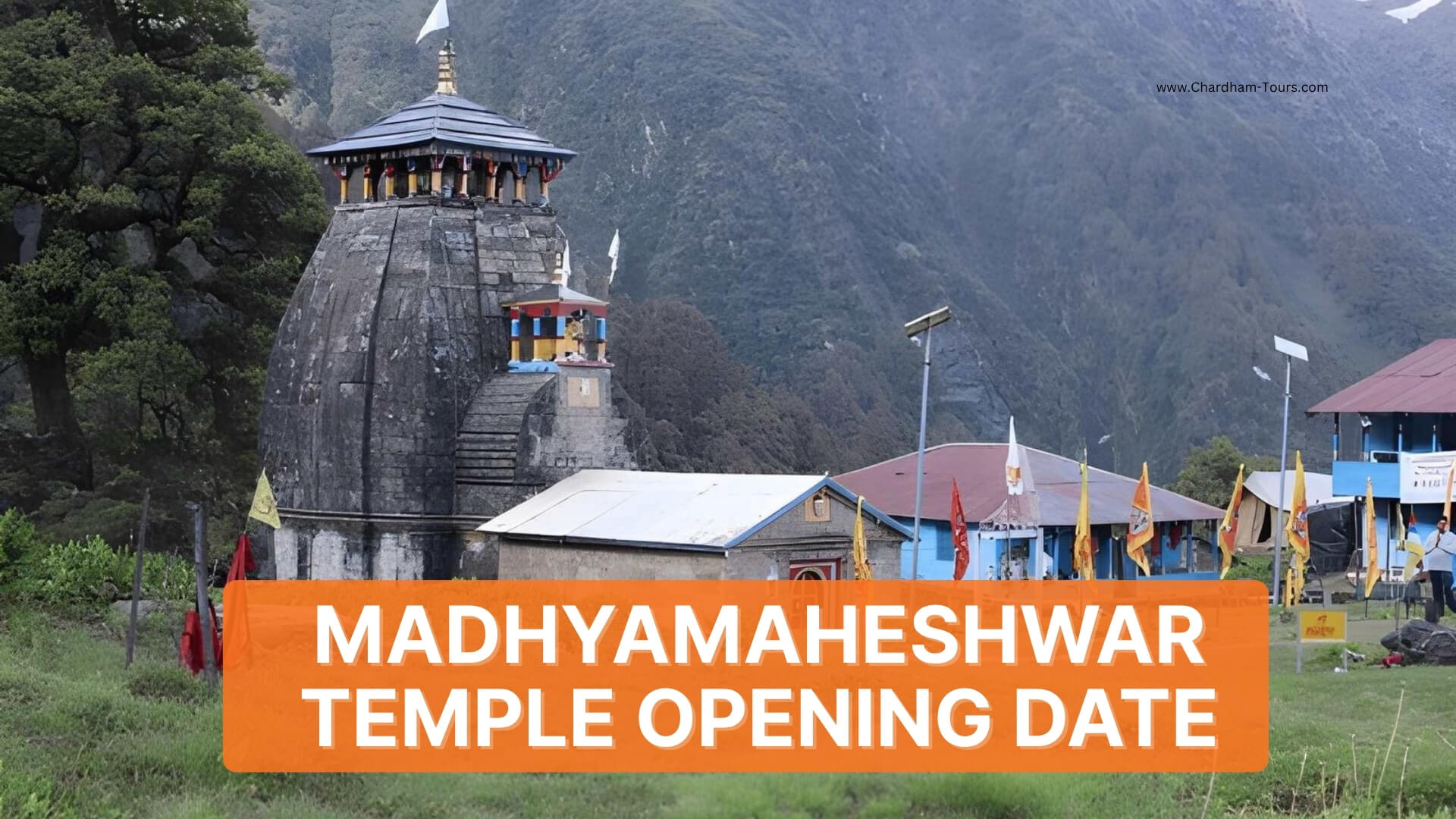
16 Apr, 2026
Return to the Divine Himalayas: Madhyamaheshwar Opens on 21 May 2026
The revered Madhyamaheshwar Temple, one of the holiest shrines in the Panch Kedar circuit, is set to reopen on 21 May 2026, marking the continuation of the summer pilgrimage season in Uttarakhand. Nestled deep within the Garhwal Himalayas, the temple remains closed during winter months due to heavy
More Share
Share Home
Home Packages
 Book Now